

The Best Organizing Systems for Busy Families
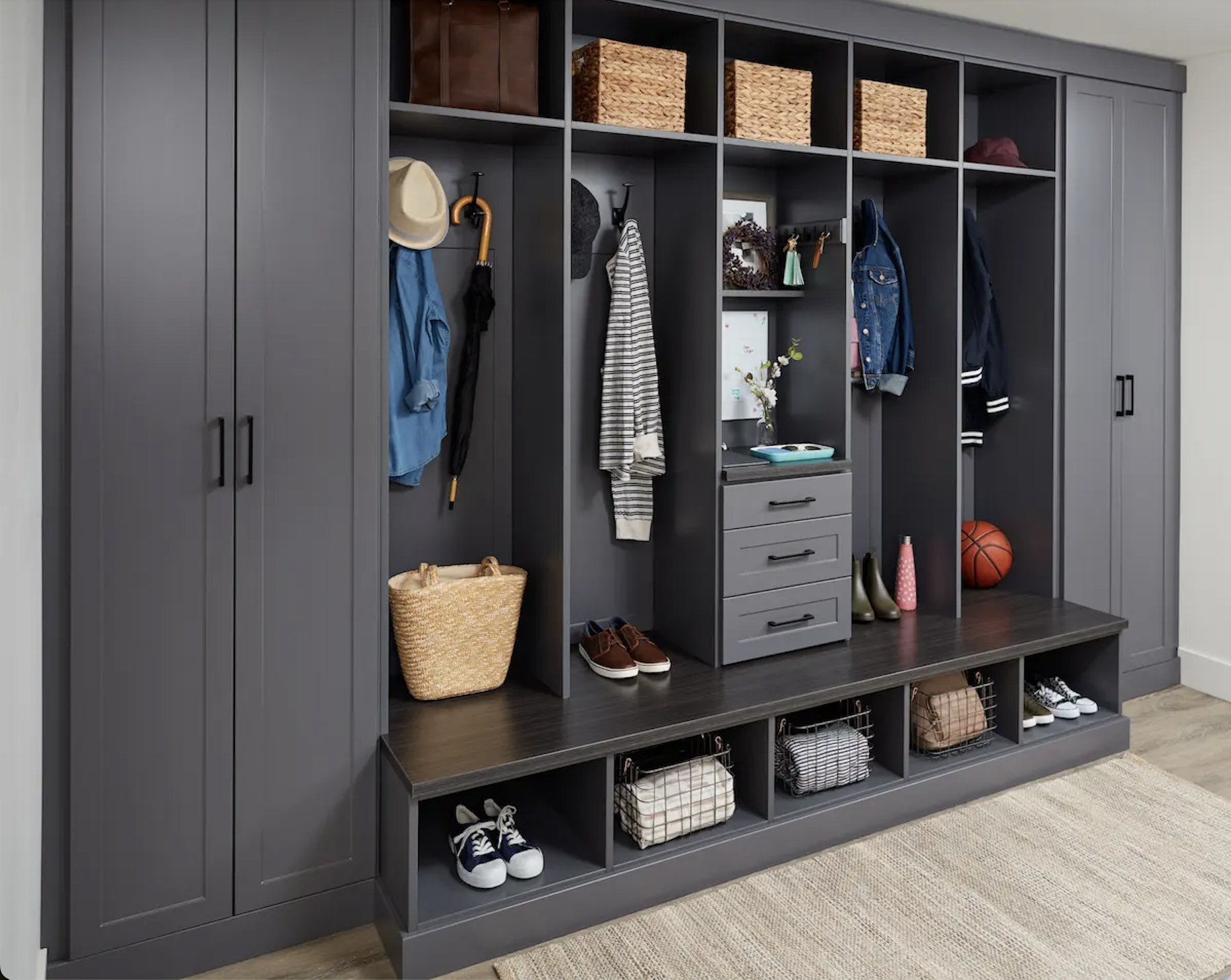
Between work, school, activities, appointments, meals, and everything else that fills the week, keeping a home organized can feel like a never-ending job. Things get dropped on the counter, shoes pile up by the door, paperwork seems to multiply, and suddenly you’re spending way too much time looking for things you know are somewhere in the house.
For busy families, the goal isn’t to have a perfectly organized home all the time. It’s to create simple systems that make everyday life easier.
The best organizing systems are the ones that work with your family’s routines, not against them. Here are some of my favorites.
1. Create a Drop Zone Near the Door
Think about what happens when everyone walks through the door at the end of the day. Backpacks come off, shoes get kicked aside, jackets land on chairs, and keys and mail end up on the nearest available surface.
Instead of fighting that habit, create a designated place for those items.
Depending on your space, your drop zone might include:
Hooks for backpacks, coats, and bags
Baskets or cubbies for shoes
A small tray for keys and wallets
A basket or file for incoming papers and mail
When everything has an obvious place to land, it’s much easier for everyone to put things away.
2. Give Each Family Member Their Own Space
One of the simplest ways to organize a shared home is to give everyone a designated spot for their belongings.
This could be a labeled basket in the mudroom, a drawer in the entryway, a bathroom bin, or a shelf in a shared closet.
When you find something that belongs to someone else, you don’t have to figure out exactly where it goes. Put it in their designated space and let them take care of it.
This is especially helpful with kids because it gives them a clear, manageable way to participate in keeping the home organized.
3. Organize Around Your Actual Routine
A good organizing system should make the easiest choice the organized choice.
If your kids always take their shoes off by the garage door, that’s probably where the shoe storage belongs. If paperwork always ends up on the kitchen counter, create a paper-management system nearby. If you pack lunches every morning, keep lunch containers, bags, and frequently used supplies together.
Sometimes we organize based on where we think something should go instead of where we actually use it.
Pay attention to your family’s natural habits and build your systems around them.
4. Create Simple Categories
The more complicated a system is, the harder it is to maintain.
Instead of creating lots of tiny categories, start broad.
For example, a playroom might have bins for:
Blocks
Cars
Dolls
Art supplies
Games
A pantry might have categories for:
Snacks
Breakfast
Baking
Pasta and grains
Canned goods
You can always get more specific later, but simple categories make it easier for everyone in the family to know where things belong.
5. Make Everyday Items Easy to Reach
Save the harder-to-reach storage areas for things you don’t use very often.
Everyday items should be easy to grab and, just as importantly, easy to put back.
In a pantry, frequently used snacks might belong at eye level. In a kids' closet, everyday clothing should be within their reach. Seasonal items or extras can go on higher shelves.
If putting something away requires moving three other things first, there’s a good chance it won’t get put away consistently.
6. Use Labels as Reminders
Labels aren’t just about making a space look organized. They help everyone understand the system.
When a basket says “Hats & Gloves” or a pantry bin says “Snacks,” there’s no guessing where something belongs.
Labels can be especially helpful in spaces used by multiple family members because they take the responsibility of remembering the system off one person.
And no, every single container in your house doesn’t need a label. Use them where they make the system easier to understand and maintain.
7. Give Paperwork One Place to Go
School papers, permission slips, bills, mail, appointment reminders, and forms can quickly take over kitchen counters.
Create one designated place for incoming paperwork instead of allowing it to spread throughout the house.
A simple system might include categories such as:
To Do
To File
School
Important
The key is having one predictable place to put papers until you have time to deal with them.
8. Don't Overfill Your Storage
Just because there is room for one more item doesn’t mean you need to fill it.
Leaving a little empty space in drawers, cabinets, closets, and bins makes a system much easier to maintain. You can see what you have, grab what you need, and put things away without rearranging everything.
If a category no longer fits comfortably in its designated space, it may be time to go through it and decide what you actually need.
Your containers should create limits, not give you a reason to keep squeezing more in.
9. Keep Kid Systems Simple
If you want kids to participate in keeping a space organized, the system needs to be realistic for their age.
A complicated toy-sorting system with twelve tiny categories might look great right after you organize it, but it probably won’t stay that way.
Large bins, simple labels, low hooks, accessible drawers, and easy-to-reach shelves make it much more likely that kids can put things away independently.
The easier the system is to use, the more likely it is to stick.
10. Reset Instead of Constantly Reorganizing
Even the best organizing system will get messy sometimes. That doesn’t mean it failed.
Busy families live in their homes, and life happens.
Instead of expecting everything to stay perfect, build in quick resets. Spend a few minutes putting things back where they belong, clearing the drop zone, returning items to their baskets, and dealing with accumulated paperwork.
When your home has good systems in place, resetting it should be much easier than starting over.
The Best System Is the One Your Family Will Actually Use
An organized home doesn’t need to look like a showroom. It needs to function for the people living in it.
The goal is to reduce the little frustrations that happen throughout the day. Where are the keys? Where does this paper go? Where are the soccer cleats? Why is the kitchen counter covered again?
Good organizing systems answer those questions before you have to ask them.
If your home feels like it’s constantly getting away from you, you may not need more storage. You might just need better systems.
At Arris Organizing, I help families create practical, customized organizing solutions that fit their homes, belongings, and everyday routines. Whether it’s a pantry, closet, mudroom, playroom, or a whole-home reset, the goal is always the same: create a space that feels easier to use and easier to maintain.